
Early childhood is a critical period for developing problem-solving skills that children will rely on throughout their academic and personal lives. In La Porte, parents increasingly recognize that a high-quality daycare environment plays a major role in shaping how children think, explore, and respond to challenges. The right daycare setting does far more than provide supervision. It actively supports cognitive growth, curiosity, and independent thinking.
Why Problem-Solving Skills Matter in Early Childhood
Problem-solving skills help children learn how to make decisions, overcome obstacles, and understand cause-and-effect relationships. These abilities form the foundation for math, reading, social interaction, and emotional regulation later in life. Children who develop strong problem-solving skills early are often more confident, adaptable, and resilient when faced with new situations.
A nurturing daycare environment gives children daily opportunities to practice these skills in a safe and supportive setting.
The Role of a Structured Daycare Environment
A well-designed daycare classroom encourages children to explore, experiment, and ask questions. In quality programs across La Porte, classrooms are organized into learning centers such as blocks, puzzles, art, and pretend play areas. These spaces invite children to think critically as they figure out how pieces fit together, how to build stable structures, or how to express ideas creatively.
At a trusted Daycare La porte parents value, children are encouraged to try, make mistakes, and try again. This process strengthens persistence and teaches children that challenges are a natural part of learning.
Teacher Guidance and Support
Teachers play a key role in guiding problem-solving development. Rather than immediately providing answers, skilled educators ask open-ended questions such as “What do you think will happen next?” or “How can we fix this?” This approach helps children think independently and consider multiple solutions.
In La Porte daycare centers that focus on early learning, teachers observe each child’s developmental level and adjust activities accordingly. This personalized support helps children build confidence while developing critical thinking skills at their own pace.
Social Interaction and Collaborative Learning
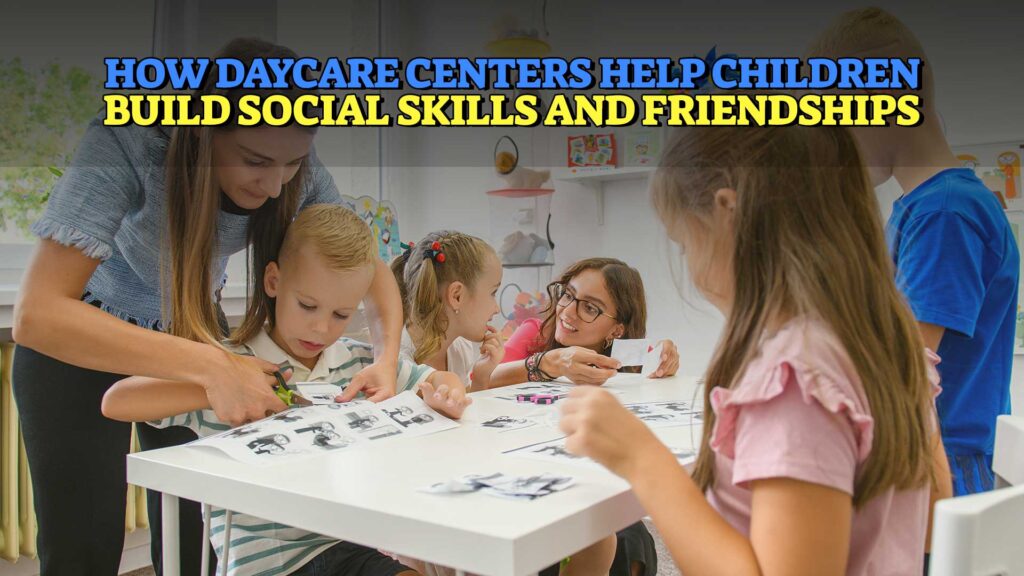
Problem-solving is not only an individual skill. It also develops through interaction with peers. Group activities such as building together, sharing materials, or resolving small conflicts teach children how to communicate, negotiate, and cooperate.
A strong Daycare La porte community emphasizes social learning by encouraging teamwork and positive communication. When children work together to solve problems, they learn empathy, patience, and respect for others’ perspectives.
Play-Based Learning and Exploration
Play is one of the most effective ways young children learn problem-solving skills. Through play, children experiment with ideas, test boundaries, and explore solutions without pressure. Activities like role-playing, sensory play, and outdoor exploration stimulate creativity and flexible thinking.
Daycare programs in La Porte that prioritize play-based learning allow children to learn naturally while staying engaged and motivated. This approach supports both cognitive and emotional development in a balanced way.
Safe Spaces That Encourage Independence
A secure and welcoming daycare environment helps children feel comfortable taking risks and exploring new ideas. When children feel safe, they are more likely to attempt challenging tasks and develop independence.
At a high-quality Daycare La porte facility, classrooms are designed to be age-appropriate, organized, and accessible. Children can choose activities independently, which strengthens decision-making skills and self-confidence.
Preparing Children for School and Beyond
The problem-solving skills developed in daycare directly support kindergarten readiness and long-term academic success. Children learn how to follow instructions, adapt to routines, and think logically. These abilities help ease the transition into formal schooling and support lifelong learning.
For La Porte families, choosing the right daycare means investing in their child’s future. A strong early learning environment builds the mental tools children need to succeed in school and everyday life.
Choosing the Right Daycare in La Porte
When evaluating daycare options, parents should look for programs that promote exploration, teacher interaction, and structured play. Visiting classrooms, observing teacher-child interactions, and understanding the learning philosophy can help families make informed decisions.
A trusted Daycare La porte parents rely on will focus on holistic development, ensuring children grow academically, socially, and emotionally.
Final Thoughts
Daycare environments have a powerful impact on how children develop problem-solving skills during their most formative years. In La Porte, high-quality daycare programs provide children with the tools they need to think critically, collaborate with others, and approach challenges with confidence. By choosing the right environment, parents set the stage for lifelong learning and success.