
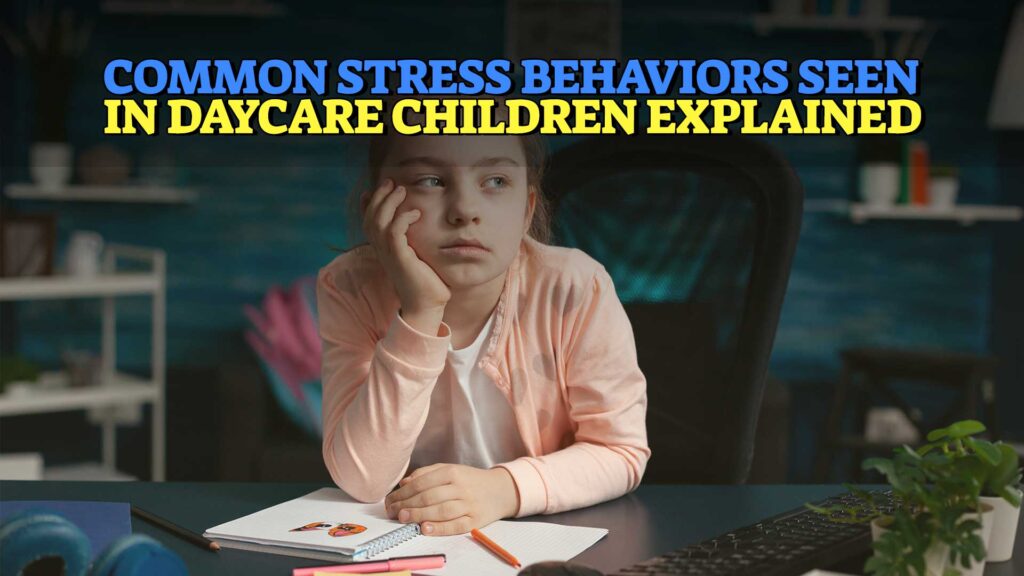
For many parents in La Porte, choosing a daycare is a major decision. While daycares provide essential social and educational experiences, children may sometimes show signs of stress. Understanding these behaviors can help parents and caregivers provide better support and create a nurturing environment.
Why Children Experience Stress in Daycare
Children are naturally curious, but they also have sensitive emotions. Starting daycare or adjusting to a new routine can be overwhelming. Changes in environment, separation from parents, or adjusting to group settings can all trigger stress. Even minor disruptions, like changes in nap schedules or classroom rules, may affect a child’s emotional well-being.
Common Stress Behaviors in Daycare Children
Recognizing stress behaviors early can prevent long-term emotional challenges. Here are some behaviors often observed in daycare children in La Porte:
1. Increased Clinginess
One of the most obvious signs of stress is clinginess. Children may resist separating from parents at drop-off or seek constant reassurance from teachers. This behavior indicates they are feeling insecure and need extra emotional support.
2. Aggressive Behavior
Some children react to stress with aggression, which can include hitting, biting, or shouting. Aggressive behavior is often a sign that a child cannot yet express their emotions verbally. Caregivers trained in early childhood development can help children find healthy ways to express feelings.
3. Withdrawal and Isolation
On the opposite end, some children become withdrawn. They may avoid group activities, prefer to play alone, or show reduced interaction with peers. Withdrawal is a coping mechanism for stress and can indicate that a child is overwhelmed.
4. Frequent Crying or Tantrums
Crying is a normal emotional release for children, but frequent or prolonged crying at daycare may signal stress. Tantrums can also be a child’s way of expressing frustration when they feel misunderstood or anxious.
5. Sleep and Appetite Changes
Stress can affect a child’s physical well-being. Some children may have trouble napping during daycare, experience nightmares, or refuse meals. Observing these changes is important as they reflect how a child is coping with their environment.
6. Regression in Skills
Children under stress sometimes regress in previously mastered skills. For example, a potty-trained child may start having accidents, or a child who could dress independently may seek help. This regression is often temporary but requires patience from caregivers.
How Daycare La Porte Centers Support Stressed Children
Quality daycare in La Porte understand that stress is a normal part of childhood development. Here are some ways they help children cope:
- Routine and Structure: Consistent schedules provide security and reduce anxiety. Children know what to expect throughout the day.
- Emotional Support: Teachers provide comfort, reassurance, and guidance to help children express emotions safely.
- Social Interaction Opportunities: Structured play and group activities teach children social skills while fostering confidence.
- Parent Communication: Regular updates and parent-teacher meetings help caregivers address concerns promptly.
- Safe Environment: Calm and engaging classrooms reduce overstimulation, helping children feel secure.
Tips for Parents to Help Children Manage Stress
Parents in La Porte can take steps at home to support their child’s emotional well-being:
- Maintain Consistency: Keep daily routines predictable to reduce anxiety.
- Encourage Expression: Allow children to talk about their feelings or use drawing and play as outlets.
- Positive Reinforcement: Celebrate small achievements and praise coping efforts.
- Prepare for Transitions: Talk about daycare activities in advance to reduce fear of the unknown.
- Collaborate with Teachers: Share observations with daycare staff to create a consistent approach to managing stress.
Conclusion
Stress is a common part of early childhood, and children in daycare settings may show a variety of behaviors as they adapt. By recognizing these behaviors and supporting children with patience and understanding, parents and caregivers in La Porte can help children feel secure, confident, and ready to thrive.